Skip to content

Blog

Project updates from the shop floor

Short write-ups of recent work by our team — what the problem was, what we changed and what it improved.

One control panel for four conveyors

One control panel for four conveyors

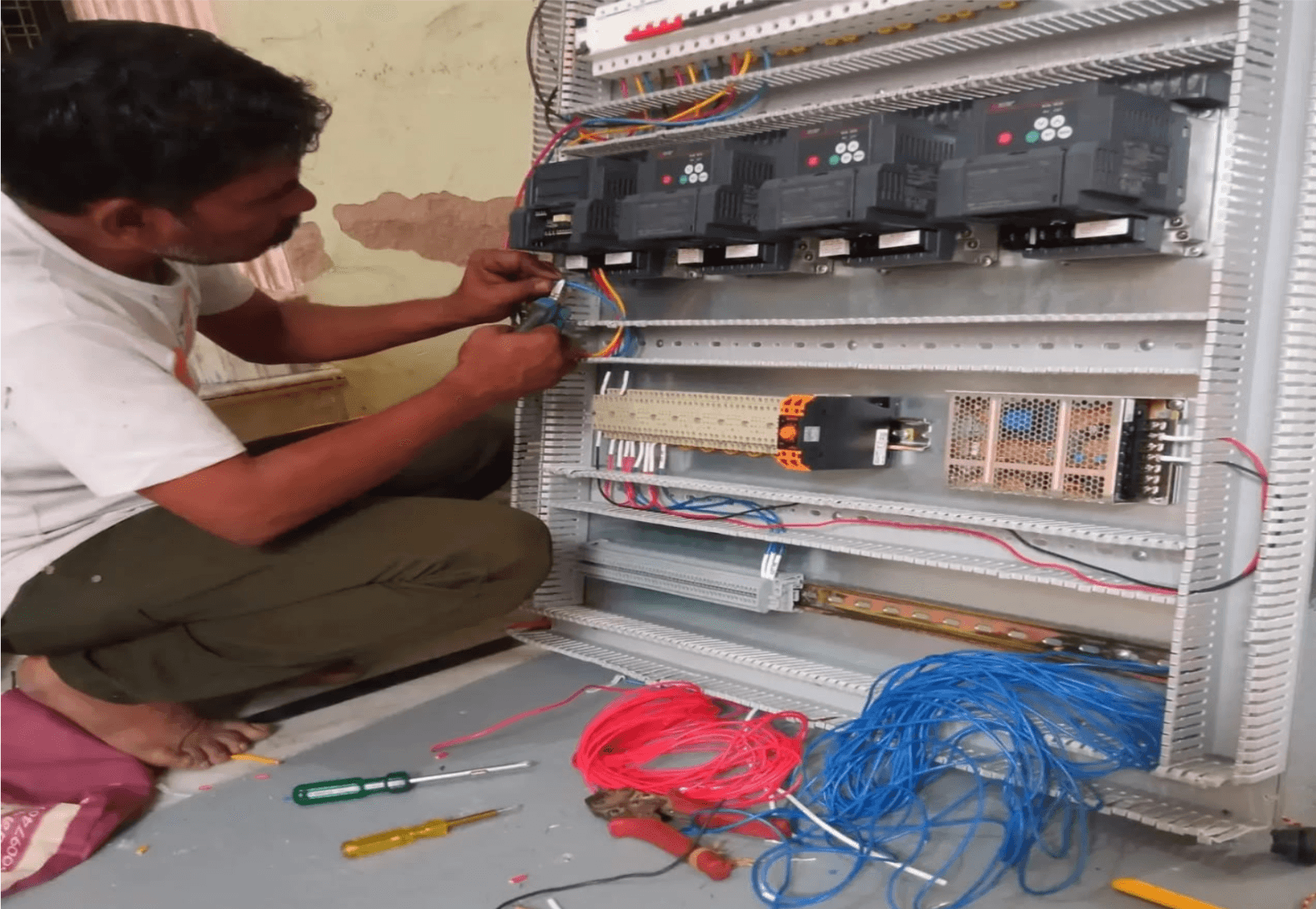
Previously, each of the four conveyors was operated from separate locations, causing significant inconvenience in their operation. To address this issue, we proposed the installation of a centralized control panel within the company. Now, all four conveyors are operated from this single panel, greatly streamlining operations and conserving space. Additionally, this consolidation has resulted in savings in both energy consumption and operation time. Notably, the panel operates on four-way relay logic, functioning effectively without the need for a PLC.

Chiranjeev MohanTechnical Director
New robot-integrated jig for a model change

New robot-integrated jig for a model change

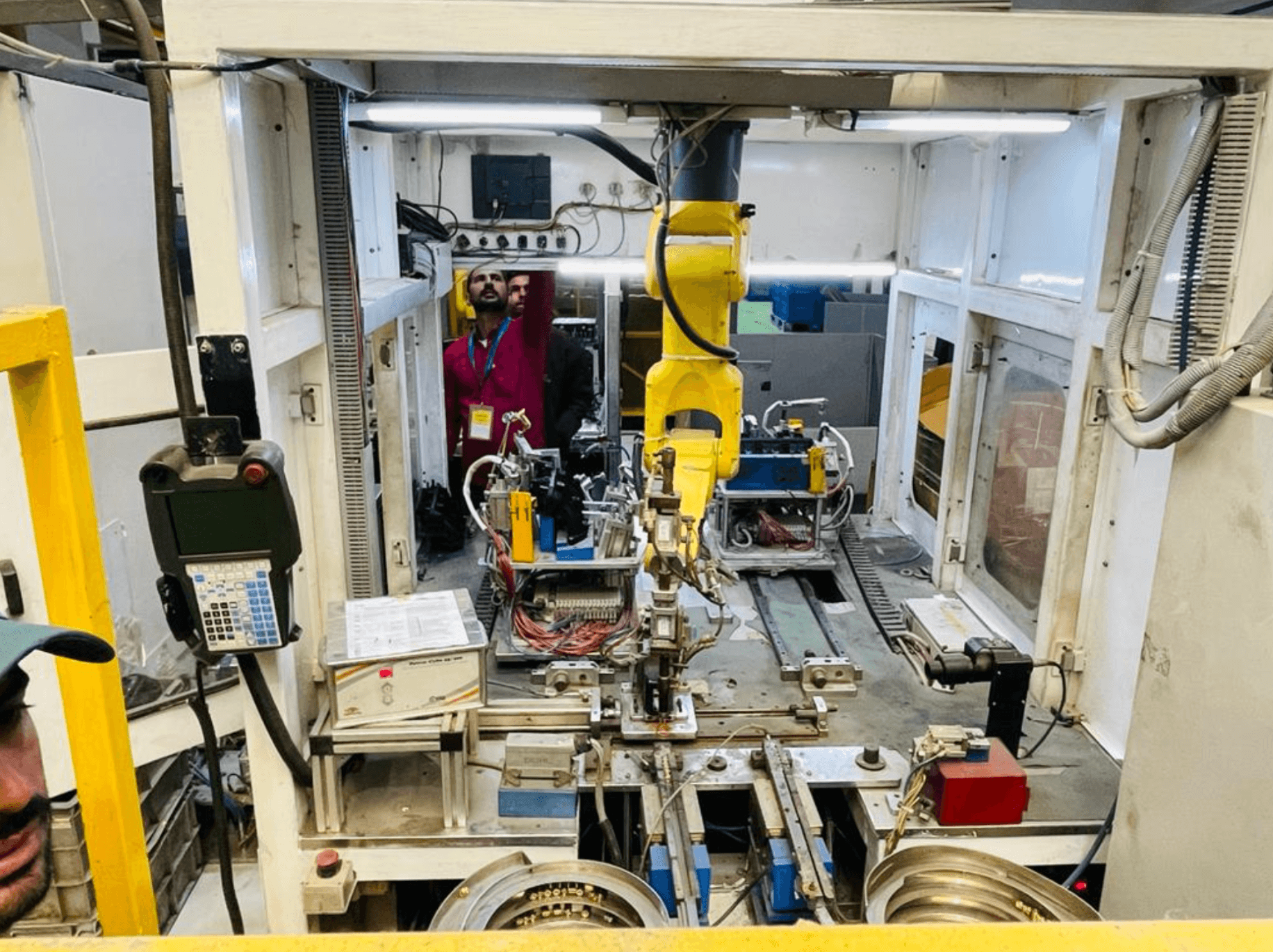
With the change in the product model, a new jig was crafted, incorporating electro-pneumatic mechanisms and PLC functionalities. Communication between the robot and the jig was established, along with the teaching and integration of robotics. In the automotive sector, precise jig installation holds paramount importance for ensuring the accuracy of vehicle components during assembly. By amalgamating robot teaching with PLC systems, automotive manufacturers can automate the installation of jigs for tasks like welding, painting, and assembly. This amalgamation not only enhances the final product's quality but also curtails production costs and cycle times.

Chiranjeev MohanTechnical Director
Replacing chain sprockets with a roller gearbox

Replacing chain sprockets with a roller gearbox

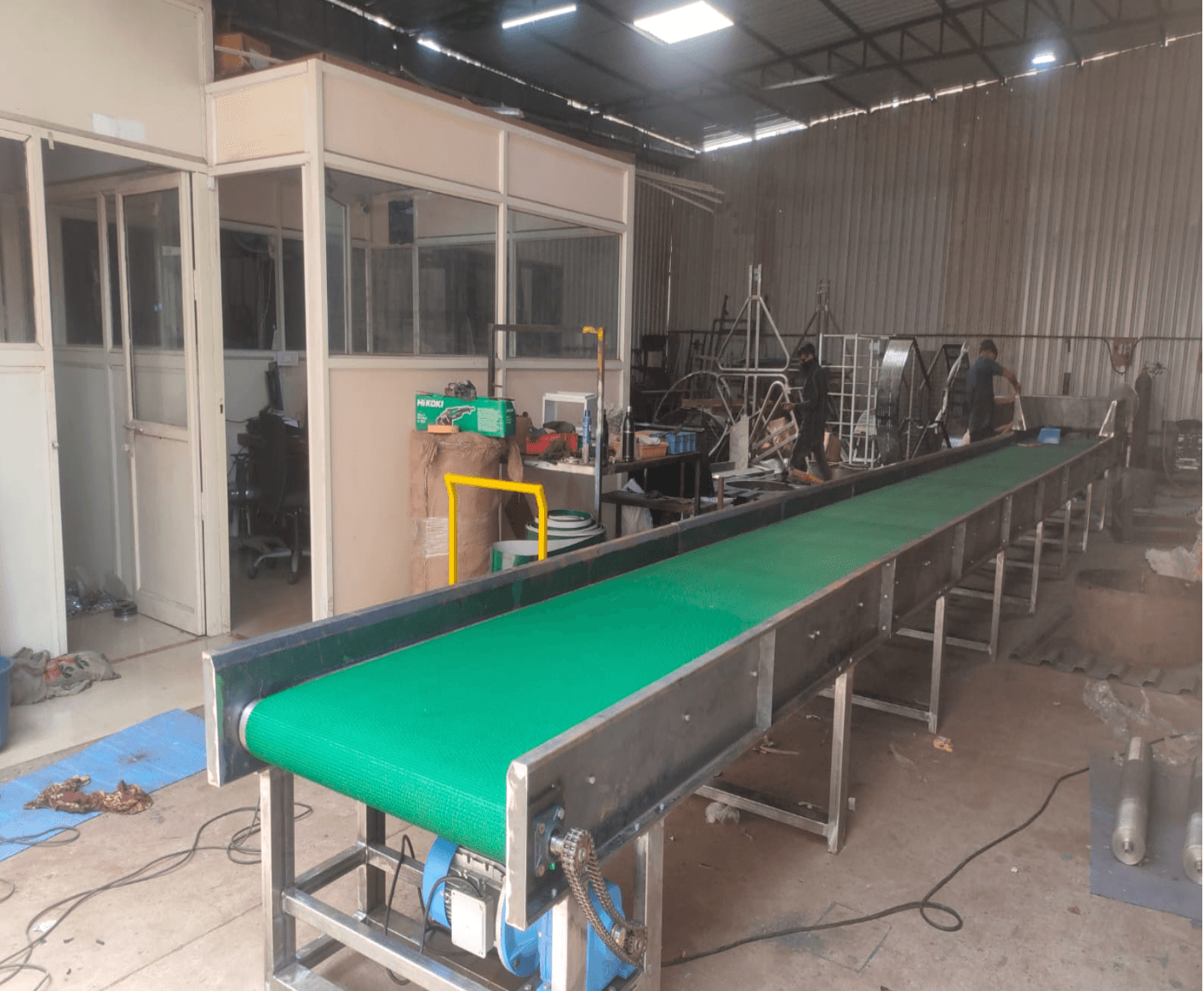
Previously, the conveyor operated with chain sprockets, leading to significant challenges in maintaining and controlling its speed. However, by reconfiguring the system and installing a gearbox directly onto the rollers, we successfully gained precise control over the conveyor's speed. This modification not only simplified maintenance but also enhanced safety measures. Additionally, the efficiency of maintenance procedures has notably improved since implementing these changes.

Chiranjeev MohanTechnical Director
A 3500 × 3000 mm gate between departments

A 3500 × 3000 mm gate between departments

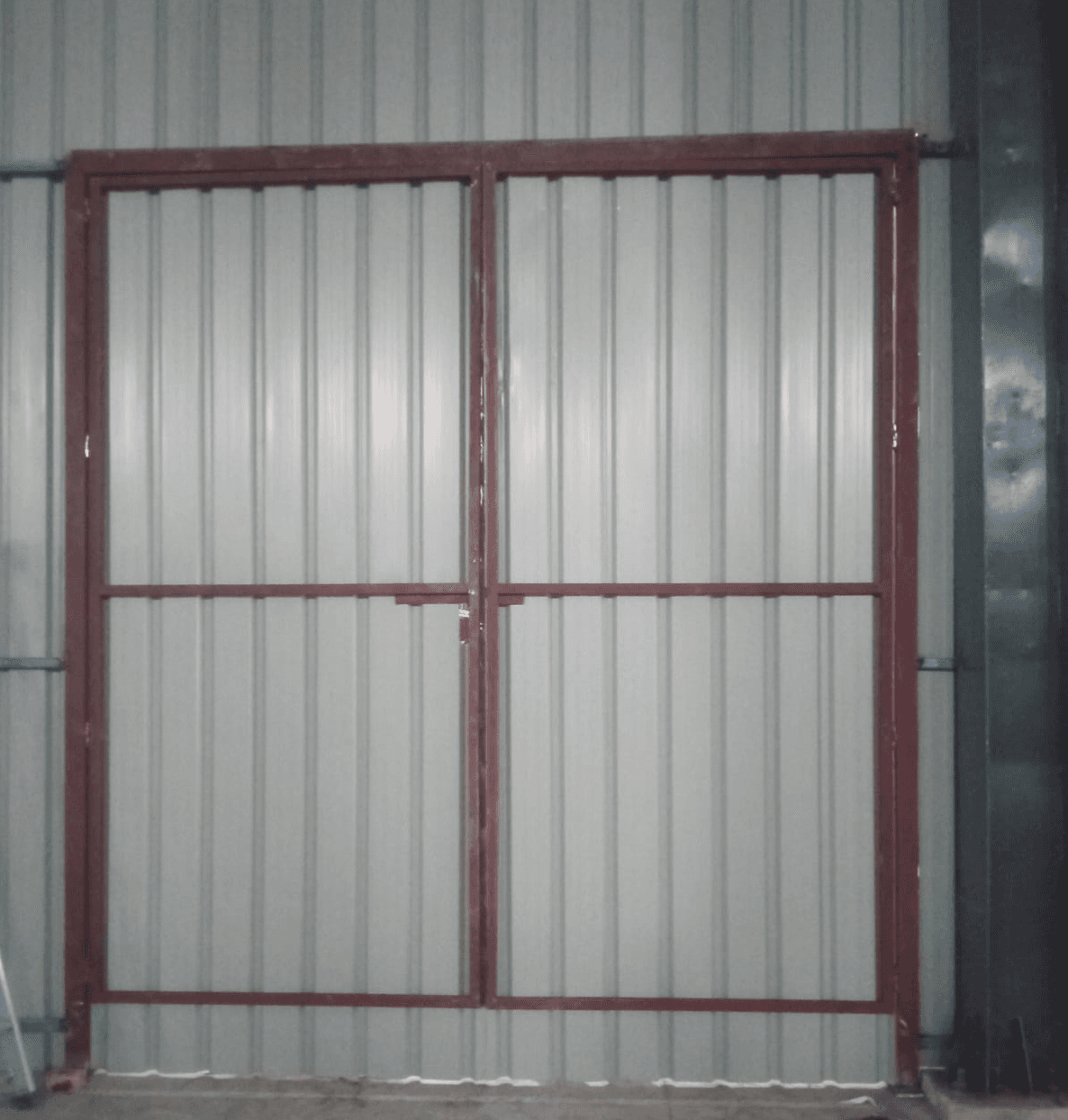
To address the lack of access to another department, we installed a gate measuring 3500 mm by 3000 mm, providing a convenient entry point. This enhancement has significantly improved accessibility, allowing seamless movement between departments. As a result, time previously spent transporting goods from one area to another has been notably reduced. Tasks that previously took up to half an hour are now completed within 15-20 minutes, leading to increased efficiency and productivity.

Chiranjeev MohanTechnical Director
Relocating a conveyor for higher production

Relocating a conveyor for higher production

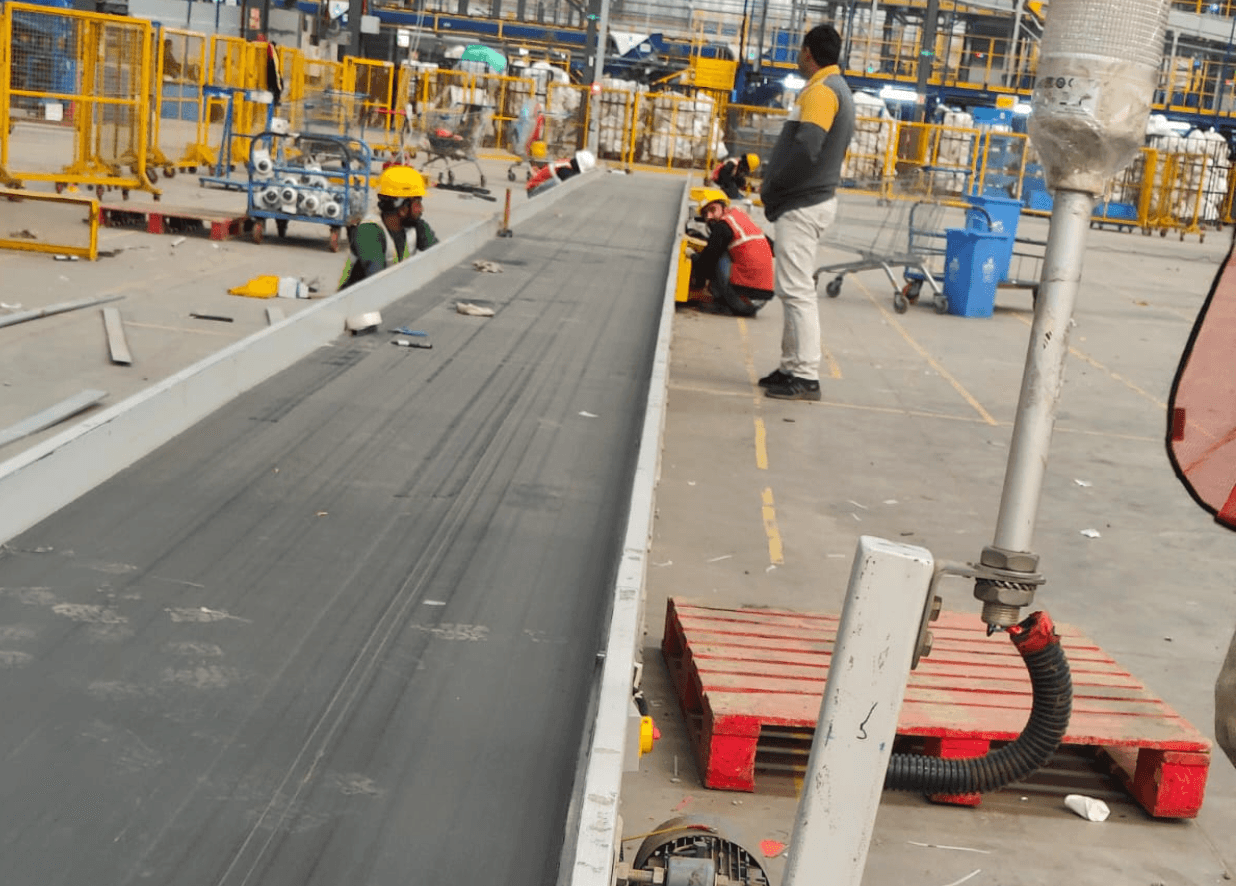
Due to the heightened production demands, a strategic decision was made to dismantle the existing conveyor system and relocate it to a new site. This move aimed to optimize spacing and accommodate the expanded workflow seamlessly. The process involved meticulous planning and coordination to ensure minimal disruption to operations during the transition. Firstly, the old conveyor was carefully disassembled, with each component systematically removed and cataloged for relocation. Skilled technicians then transported the disassembled parts to the new location, where they were reassembled according to the revised layout requirements. This relocation effort was accompanied by thorough testing and calibration to guarantee the conveyor's smooth operation in its new environment. By relocating the conveyor system, the production facility was able to maximize floor space utilization and enhance operational efficiency to meet the growing production demands effectively.

Chiranjeev MohanTechnical Director
Why dock levelers matter at the loading bay

Why dock levelers matter at the loading bay

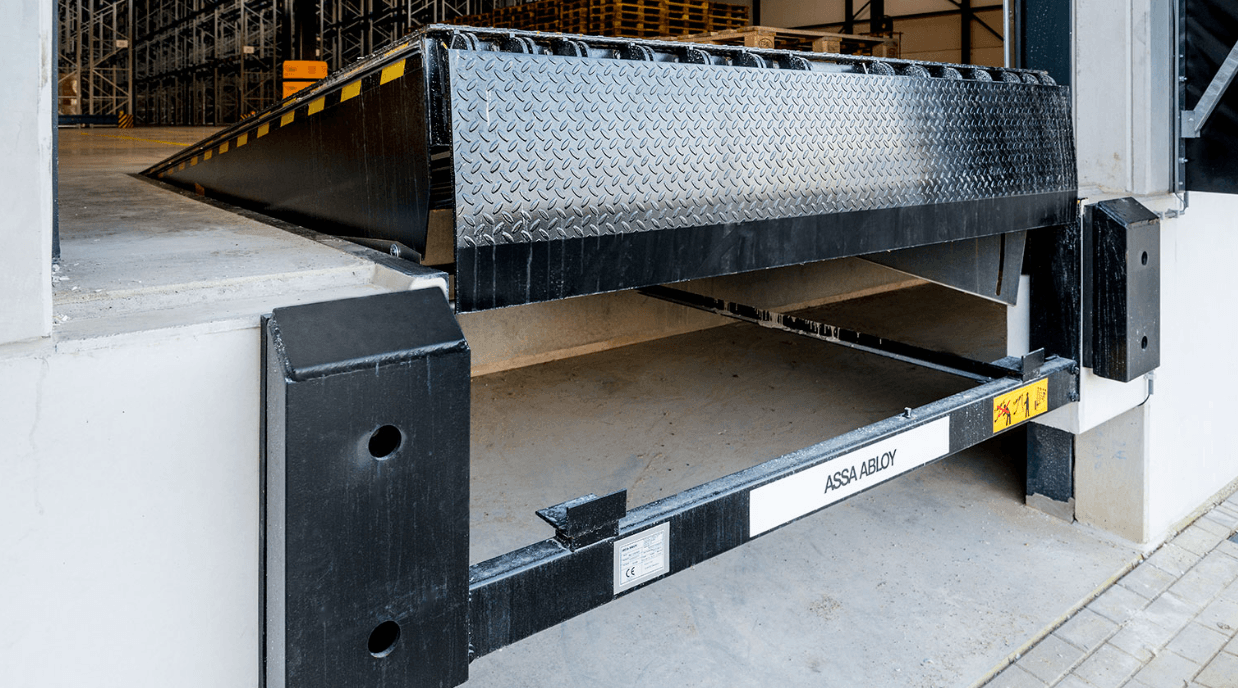
Dock levelers are indispensable equipment in loading docks, facilitating the seamless transfer of goods between trucks and the warehouse floor. These hydraulic or mechanical platforms bridge the gap between the dock and the truck bed, ensuring smooth and safe loading and unloading operations. Equipped with sturdy construction and reliable mechanisms, dock levelers can accommodate varying truck heights and loads, making them versatile solutions for handling a wide range of cargo. Their adjustable height and durable design enable them to withstand the rigors of daily use in busy industrial environments. By providing a level transition between the dock and the truck, dock levelers help prevent accidents, reduce product damage, and enhance operational efficiency. Additionally, modern dock levelers often feature advanced safety features such as lip locks, automatic descent control, and maintenance alerts, further ensuring worker safety and equipment longevity. Overall, dock levelers play a crucial role in optimizing logistics processes and ensuring the smooth flow of goods in distribution centers, warehouses, and manufacturing facilities.

Chiranjeev MohanTechnical Director

Have a similar problem on your line?

Whether you have a question, need a quote or want to plan a project, our team is ready to help.